Home Blog

Machetes now banned in Victoria – What you need to know

0
machete ban in Victoria

From 1 September 2025, the state of Victoria has introduced a sweeping new prohibition on machetes – banning their ownership, sale, use, carriage, and transport unless you qualify for a valid exemption or approval.

According to the Victorian Government, the key points include:

What’s Now Banned?

  • Sales ban: Since 28 May 2025, there’s been an interim ban on all machete sales—both in-store and online—with no exceptions.
  • From today, the ban becomes permanent. Machetes are now classified as prohibited weapons under the Control of Weapons Act. That means possessing one without a proper exemption or official approval can expose you to serious penalties—up to 2 years’ jail or a fine exceeding $47,000.

Helping You Get It Off the Streets – The Amnesty

  • A Machete Amnesty runs from 1 September to 30 November 2025.
  • More than 40 secure disposal bins have been placed outside selected police stations statewide. You can anonymously surrender a machete—with no questions asked and no penalties.

Who’s Exempt?

Certain legitimate users are still allowed to keep machetes—if they meet the conditions:

  1. Agricultural use: Farmers or trainees actively working in agriculture are exempt—provided they store the machete securely and have proof of their role or purpose.
  2. Traditional, Cultural, or Historical significance: Machetes used with genuine cultural or historical importance—like ceremonial use (e.g. Samoan nifo’oti)—may be exempt. Usage must be clearly connected to recognised cultural activity and not just everyday tasks.
  3. Other valid reasons: If your situation doesn’t fit the above, you may still apply for Chief Commissioner approval to lawfully hold a machete.

Additional Context — Why Now?

  • This is Australia’s first machete ban, introduced under the Terrorism (Community Protection) and Control of Weapons Amendment Bill 2025.
  • Its aim is clear: treat machetes as prohibited weapons, close loopholes, and support law enforcement in reducing knife crime.
  • The reform also grants police broader powers to search for weapons in public spaces—especially designated high-risk areas—for longer durations, alongside tougher bail laws for serious offenders.

Summary at a Glance

TypeDetails
Start Date1 September 2025 – Machetes now banned unless exempted or approved.
PenaltiesUp to 2 years imprisonment or fine over $47,000.
Amnesty Period1 Sept – 30 Nov 2025 – Anonymous surrender bins available statewide.
Agricultural UseExempt if properly documented and securely stored.
Cultural UseExempt if tied to recognised traditional/cultural practices.
Other UsesMust apply for Chief Commissioner approval.
BackgroundFirst of its kind nationwide ban, with expanded police powers and bail laws.

What’s the difference between Easter egg chocolate and regular chocolate?

0
Easter chocolate eggs
Stefanie Mohr Photography/Shutterstock

Margaret Murray, Swinburne University of Technology and Andrew Costanzo, Deakin University

With Easter around the corner, you’ll have seen chocolate Easter eggs on supermarket shelves. Maybe you’ve bought some already.

But is there a difference between Easter chocolate and the everyday kind? Does Easter chocolate really taste better, as some people say?

As we’ll see, any difference is less about the ingredients and more about how we experience the chocolate when we eat it.

What do they contain?

When we compared the ingredients and nutrients of Easter egg chocolate and regular chocolate from the same company, we found no major differences.

Cadbury Dairy Milk hollow Easter egg and Cadbury Dairy Milk chocolate block both contain per 100 gram:

  • about 2,200 kilojoules of energy
  • 7g protein
  • 31g fat
  • 55g sugar

Both products have a minimum 24% milk solids. The egg has a marginally higher percentage of cocoa solids (28%) than the block (27%).

So if they contain pretty much the same ingredients, what else is going on?

It’s more about the taste, texture and smell

The difference between Easter chocolate and regular chocolate is more about how we experience the flavour of chocolate – via taste, texture and smell.

Taste is the recognition of simple ingredients dissolving in saliva and entering the taste pores on our tongue. In the case of chocolate, we perceive the taste as sweet (sugar), fatty (cocoa butter) and potentially bitter (caffeine and other cocoa-based compounds).

However, texture and smell make us most likely to tell the difference between Easter and regular chocolate.

The mouth is incredibly sensitive to the texture of foods. We perceive multiple physical qualities of a food, which we call “mouthfeel”.

Smoothness, creaminess and mouthcoating (for example, an oily feeling) are important components of chocolate’s mouthfeel.

Consumers also expect round-shaped chocolate to be creamier than angular-shape chocolate.

So even before we’ve taken a bite, we perceive a chocolate egg will be creamier than a block. These expectations can shape how we experience the flavour of chocolate.

However, if the chocolate egg is not as creamy as expected, this can be disappointing.

Boy eating Easter chocolate, smeared on face
But it tastes so good! ibragimova/Shutterstock

The temperature at which chocolate is made and stored also impacts its texture. Sometimes chocolate gets a whitish haze on its surface called chocolate bloom. This is when the fat and sugar separate from each other, forming fat or sugar crystals.

It is safe to eat chocolate with bloom, but it may taste less creamy or more gritty than chocolate without bloom.

Because the demand is so high during Easter, chocolate manufacturers sometimes use rapid-cooling techniques to produce hollow Easter eggs at a faster rate. This may make them more susceptible to chocolate bloom. Cheaper Easter chocolates using these rapid procedures may have a different texture than chocolate made the traditional way.

Finally, smell contributes the most to how we perceive flavour in foods. When chocolate starts to melt in our mouth, aromas are released. These aromas make their way through the back of the nose where we smell the complex scents and notes of chocolate. Depending on the chocolate, this could include fruity, earthy, buttery or floral aromas.

The shape of chocolate

We’ve already heard the shape of chocolate influences how creamy we think it is. But the shape of chocolate also influences other aspects of our eating experience.

Easter chocolate in the shape of an egg or an animal provides a large contact area inside the mouth meaning it will melt faster than a block. This impacts how quickly aroma compounds are released from the chocolate.

Biting into hollow chocolate, such as eggs and animals, may also require more time to chew and swallow. This results in Easter chocolate spending longer in our mouths with a greater release of aromas. This means we perceive a greater intensity or diversity of flavours compared to eating small squares.

Hollow chocolate Easter egg stting on unwrapped foil
Biting into hollow chocolate means a greater release of aromas. wavebreakmedia/Shutterstock

Are you a sucker or a chewer?

How someone eats chocolate can also change its flavour. One study categorised people who ate chocolate as “suckers” or “chewers”.

Chewers tend to swallow chocolate more quickly and may perceive it to have a weaker flavour because of the shorter time for aromas to be released.

So how a person eats Easter chocolate may also impact whether they prefer it over regular chocolate.

Easter is only once a year

Last of all, eating Easter eggs (and hunting for them) are often part of a shared family ritual. This can make Easter chocolate seem special. No wonder we enjoy the whole Easter egg experience.

So whether you are a sucker or a chewer, Easter is a great time to slow down and celebrate with loved ones. Enjoy and savour your Easter chocolate in moderation, egg-shaped or otherwise.

Margaret Murray, Senior Lecturer, nutrition, Swinburne University of Technology and Andrew Costanzo, Senior Lecturer in food and nutrition sciences, Deakin University

This article is republished from The Conversation under a Creative Commons license. Read the original article.

Why the Mormon church is on an expansion project, with 2 secretive new temples planned for Australia

0
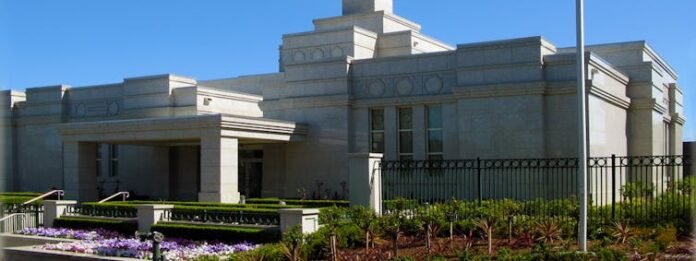
Mormon's Melbourne temple erected in 2000. Source: Wikimedia

Brenton Griffin, Flinders University

The Church of Jesus Christ of Latter-day Saints has announced it will build 15 new temples in countries across the world, including one in Liverpool, New South Wales.

This follows a similar announcement last year of plans to build a second temple for Queensland, in South Brisbane.

The two new structures – together with existing temples in Sydney (1984), Adelaide (2000), Melbourne (2000), Perth (2001) and Brisbane (2003) – will bring the total number of Australian temples to seven.

In a nation with fewer than 160,000 practising Mormons, these new buildings seek to increase the legitimacy and visibility of the church.

The significance of temples

There are currently at least 200 completed Mormon temples around the globe, with an additional 182 under construction or announced.

Temples have a different purpose and scope to Mormon chapels, which are far more common: Australia has about 190 Mormon chapels.

Chapels are used for weekly sacrament (or communion) and weekly sermons. They are open to visitors, and often hold cultural events, extra church activities and family history centres.

Temples, on the other hand, represent the blending of the divine and temporal. According to the Mormon worldview and doctrines, they are the world’s most sacred structures.

Each temple is emblazoned with the phrase “The House of the Lord, Holiness to the Lord”. This isn’t just symbolic. Mormons believe each temple is literally the house of God, in which his presence may be felt.

Given the gravity of this belief, these spaces are reserved for those who have been deemed worthy to enter by Mormon leaders.

Inside the House of the Lord

The church itself maintains that temples are “sacred, not secret”. It has long worked to dispel speculation over what happens within temple bounds.

One way it does this is through “open houses”, in which a newly-built temple may be toured by anyone for a brief period. Once the open house has ended and the temple has been “dedicated” by a church leader – a process that includes blessing the building and those who will use it – it becomes entirely closed to the public.

Within the temples, the most sacred rituals and knowledge of “the gospel” are imparted upon faithful members. Rituals can be performed for both living people and deceased ancestors. They must never be conducted – or even discussed – outside the sacred temple space.

One of these rituals is baptism and confirmation for the dead by proxy (baptisms for the living are conducted in chapels or other spaces). This provides the deceased individuals “ordinances” that are necessary for salvation, which they did not receive during life.

These baptisms have been controversial at times, with ordinances performed on individuals who were not direct ancestors of Latter-day Saints, including Holocaust victims and historical figures such as Joseph Stalin and Adolf Hitler. Even prominent Australians such as Ned Kelly, Malcolm Fraser, Neville Bonner and Truganini have allegedly appeared as “baptised” in Mormon records.

Other temple ceremonies, conducted for both the dead and living, include washing and anointing with oil, “endowment” and “sealing”.

The rituals are accompanied by various stages of knowledge progression for attendees. As with the rituals, temple knowledge is not to be discussed outside.

Local opposition

The air of secrecy and exclusivity surrounding Mormon temples has resulted in a flood of negative attention from Australian media, other religious institutions and society at large. News reports from as far back as the early 20th century sought to expose “Mormon temple secrets”.

The first temple, built in Sydney in 1984, was widely protested by community groups and organisations. The building had to be modified by the church before it was eventually approved. A similar situation transpired in Brisbane in the early 2000s.

In other cities, such as Adelaide and Melbourne, temples were not directly protested, but were still critiqued for their lavishness, with the average Australian temple costing around A$8 million in the late 1990s/early 2000s.

Given the cost of living crisis, and contention over the place of religion in contemporary Australia, the two proposed temples will likely also face criticism.

Reputational management

The church’s reputation in Australia has become ever more complicated over the past 20 years, not least due to several controversies.

In 2022 and 2023, The Age and The Sydney Morning Herald reported the church was allegedly abusing tax laws, to the amount of hundreds of millions of dollars. This was addressed, but not confirmed or denied, in the November 2022 Senate Estimates by Australian Tax Office Assistant Commissioner Jeremy Hirschhorn, after questioning by Greens Senator David Shoebridge. Accusations of tax evasion have also been made in New Zealand and the United States.

Other controversies relate to LGBTQIA+ discrimination, the church’s influence in Australian and global politics, and allegations resulting from the Royal Commission into child sexual abuse.

The new Australian temples will be completed under a pall of critiques and accusations around church finances and other controversies. And while they might be briefly open to the public, their doors will just as quickly shut – adding more fuel to the speculation.

Brenton Griffin, Casual Lecturer and Tutor in History, Indigenous Studies, and Politics, Flinders University

This article is republished from The Conversation under a Creative Commons license. Read the original article.

Amid the election promises, what would actually help ‘fix’ the housing crisis? Here are 5 ideas

0
house in Australia

Rachel Ong ViforJ, Curtin University; Andrew Beer, University of South Australia, and Emma Baker, University of Adelaide

As the election campaign rolls on, housing has been, unsurprisingly, a major campaign focus. We’ve seen a series of housing policy announcements from across the political spectrum, including duelling announcements from the major parties in recent days.

Labor will expand access to their Help to Buy and Home Guarantee schemes by either raising or removing income limits and price caps.

The Liberals will allow first homebuyers to access their super for housing and deduct mortgage repayments from their income tax, while lowering the mortgage serviceability buffer.

While the politicians make big promises, it’s worth thinking about what evidence shows would actually make a meaningful difference. We have five ideas.

But first, the extent of the problem

It’s old news that we have a significant housing affordability problem in Australia.

Between 2004 and 2024, the national dwelling price to income ratio climbed rapidly from five to eight, hitting ten in Sydney.

Advertised rents have climbed by more than 20% since the start of COVID. https://www.youtube.com/embed/chg3Faq6hzo?wmode=transparent&start=0

The public housing waitlist is around 170,000 households, and the number of homeless persons rose from 95,000 to 122,000 in the two decades to 2021.

Policies of the past decade have not worked, and in some cases they’ve made it worse. So what would help?

1. It’s a cluster problem that needs a cluster solution

When we talk of the affordability crisis, what we’re really talking about is a complicated cluster of interrelated problems that make housing unaffordable to buy, build and rent.

Unaffordable housing comes from the interaction between the global economy, interest rates, inefficiencies in our construction and planning systems, as well as the outcomes of poor government policies. We should be wary of hitching our wagon to any of these alone.

Reform of the planning system, for example, is held up by some as the simple solution. While the planning system needs to be improved, it does not make up the entirety of the housing production pipeline – and it’s definitely not a magical solution.

Equal attention needs to be given to workforce shortages, productivity concerns in the construction industry, development financial risk and developer behaviour. These are all arguably as important as planning in delivering new supply.

2. It’s not about supply versus demand. It’s both

Many major housing policy announcements are either supply-focused or demand-focused. What Australia needs are coherent and integrated policy packages addressing both sides of the problem at the same time.

During this election campaign, both major parties have made a series of demand-boosting policy announcements in rapid succession, designed to put more cash into the hands of first homebuyers.

All these measures will further fuel increases in house prices at a pace that income growth cannot match.

It is true both parties have proposed supply measures, such as Labor’s plan to build 100,000 new homes exclusively for first homebuyers.

However, supply lags mean these houses will not be delivered in time to offset any rise in demand (and price) from the expansion of the demand-boosting schemes.

3. Think beyond new supply

The shortfall of dwellings in Australia is certainly a problem, but even an ambitious construction target is likely to add only about 2% to our existing stock each year.

We need to look to the homes already built and how they can better meet demand. This might include measures to promote granny flats, or enable additional subdivision.

4. Aim before shooting

Too many housing programs are poorly targeted. We need to zero in on those in housing need. We shouldn’t be providing assistance to those who don’t need it.

Policymakers need to confront the targeting errors that afflict their proposed plans.

Currently, 11% of aspiring first homebuyers are able to meet deposit and repayment requirements to purchase a home. https://www.youtube.com/embed/AvLJhqLPIZU?wmode=transparent&start=0

Labor’s plan to lift the income limits and caps on available places will open up the scheme to many homebuyers who don’t need government-funded assistance for a home purchase.

The Liberals’ super for housing plan will also benefit higher-income and older groups.

5. Design policies through an intergenerational lens

As we live longer, policymakers must embrace the challenge of meeting the housing needs of multiple generations. This co-existence in society is the new normal.

For instance, economists have consistently called for the abolition of stamp duties in home purchases, favouring instead a broad-based land tax. This removes a major upfront sum that would otherwise be paid by both young people looking to buy their first home and older “empty nesters” looking to downsize.

Stamp duty is a major revenue source for state and territory governments. This reform needs Australian government financial support as we move to a more affordable future. Australia’s reliance on stamp duty is second only to South Korea among OECD countries.

But even if stamp duties are not abolished, we could better use this revenue to meet housing needs, including building additional social housing, bolstering homelessness services and constructing new housing infrastructure.

The elephant in the housing policy room

At the end of the day, it’s worth remembering that housing isn’t all about supply, buildings, investment and construction. Our housing is also where we live, sleep and grow old.

Our population aren’t just passive players in the housing system, they actively shape it, in their choices to buy housing, to rent, seek out major cities and renovate.

By demonstrating, de-risking, and promoting a broader range of housing options (such as making rental an attractive lifetime tenure, expanding shared equity options, or championing advances in modular and prefabricated construction), governments can shape demand towards more affordable homes.

Rachel Ong ViforJ, John Curtin Distinguished Professor & ARC Future Fellow, Curtin University; Andrew Beer, Executive Dean, UniSA Business, University of South Australia, and Emma Baker, Professor of Housing Research, University of Adelaide

This article is republished from The Conversation under a Creative Commons license. Read the original article.

3.5 million Australians experienced fraud last year. This could be avoided through 6 simple steps

0
problem with credit card
Zigres/Shutterstock

Gary Mortimer, Queensland University of Technology

About 14% of Australians experienced personal fraud last year. Of these, 2.1 million experienced credit card fraud, 675,300 were caught in a scam, 255,000 had their identities stolen and 433,000 were impersonated online.

According to the Australian Bureau of Statistics latest Personal Fraud Survey, between July 2023 and June 2024, Australians lost A$2.1 billion through credit card fraud.

This was up almost 9% from the previous year. Even after reimbursements, the loss was still $477 million.

These figures do not include financial loss through identity theft, or phishing, romance, computer support and dodgy financial advice scams.

Why the increase?

Research shows the more frequently we use technology, the more likely we are to be scammed. Monica Whitty from the Cyber Security Centre, University of Warwick, found victims of cyber-frauds were more likely to score high on impulsivity measures like ‘urgency’ and engage in more frequent online routine activities that place them at great risk of becoming scammed.

We communicate via email, we shop online, use dating apps and allow technicians to remotely access our computers. Meanwhile, amazing “get rich quick” opportunities are apparently being liked by our friends on our socials almost every day.

But too many of us do not stop and think, “is this legitimate?” It is no wonder we see personal fraud and scams increase every year.

While the Australian Bureau of Statistics figures suggest older Australians (aged 45 and over) are more exposed to card fraud, research has found demographics are not a significant predictor of fraud victimisation.


https://datawrapper.dwcdn.net/RjcNU

Taking risks

Being too trusting, drives complacency, which produces gullibility. Think about an online dating sites. The site uses a multi-factor authenticator, it requires you to authenticate your photo, password protect your profile and read the scam warnings.

A site’s apparent legitimacy increases your trust. Research has found if you perceive a platform to be legitimate you could be exposed to romance fraud. Fraudsters may be operating within a site, even if it is legitimate.

Another strong predictor of exposure to online fraud is self-control. Self-control theory predicts individuals with low self-control tend to pursue their own self-interest without considering the negative consequences.

Simply, if the investment scheme looks “too good”, they will mostly likely click on the link and get scammed.

Giving away too much

Some individuals are prone to self-disclosing personal information online – and scammers love personal information. Self-disclosure is defined as the amount of information a person decides to make common knowledge.

Sometimes, we disclose, even when we don’t intend to. A common phishing technique on social media is status updates that read, “Your porn star name is your first pet’s name and the first street you lived on.”

They’re interesting, funny and bring on a healthy dose of nostalgia, but the answers to those questions that you tap in for all to see are also most likely to be your security questions on your bank accounts.


The most common scams in 2023-2024:

  • Buying or selling scams (1.4% or 308,200)
  • Information request or phishing scams (0.7% or 148,800)

What is the government doing to protect me?

The Australian government recently passed legislation which targets scams. It places increased responsibilities on banking and finance, telecommunications and digital platforms organisations to protect customers.

Suspicious numbers can now be accompanied a warning of “potential fraud” on your smartphone screen. Banks are also informing customers about the latest scams. Some banking transactions can verify the identity of the payment recipient, to ensure the details you have match the actual account holder.

While these will not stop all scams, they are a step towards reducing the number of victims and the amount of money lost to fraudulent approaches.

Six steps to protect yourself

There are some small but powerful steps we can all take to reduce the likelihood of financial harm.

1. Passwords: it is important to have strong, unique passwords across your accounts. Using a password manager can help with this.

2. Multi-factor authentication: many platforms will allow you to add extra layers of security to your account by using one-time passwords, authenticator apps, or tokens.

3. Review privacy settings: be aware of the different settings on your accounts and ensure you are in control of what information you provide and what can be accessed by others.

4. Be vigilant: know what you see and hear may not be real. The person or company you are communicating with may not be authentic. It is okay to be sceptical and take time to do your own checks.

5. Money transfers: never send money you are not willing to lose. Too often, people will send money before realising it is a scam. Never feel rushed or forced into any financial decision. It is OK to say no.

6. Credit monitoring: if you know or suspect you have been scammed, you can enact a credit ban, meaning no one can access your details or take further action in your name. This can be a good short-term solution.

And if you are scammed …

Anyone can report money lost in a scam to ReportCyber, the Australian online police reporting portal for cyber incidents. If you have received scam texts or emails, you can report these to Scamwatch, to assist with education and awareness activities.

Gary Mortimer, Professor of Marketing and Consumer Behaviour, Queensland University of Technology

This article is republished from The Conversation under a Creative Commons license. Read the original article.

‘Australia doesn’t care about me’: women international students suffering alarming rates of sexual violence

0
uni students
Unai Huizi Photography/Shutterstock

Laura Tarzia, The University of Melbourne; Helen Forbes-Mewett, Monash University; Ly Tran, Deakin University, and Mandy McKenzie, The University of Melbourne

Every year, more than 700,000 international students leave their homes to study in Australia.

Around half are women.

For most of these students, the experience is positive. Many choose to remain in Australia for employment or migration.

However, for others, what should be a dream opportunity is shattered by experiences of violence.

An unsafe space for some

Australia has long been regarded as a safe society. However, international students’ safety was questioned in 2009 after a series of attacks on Indian students, and again in 2020 when a survey of 6000 students revealed a quarter had experienced racist abuse during the COVID pandemic.

Addressing these issues is important.

For women international students, violence can also be gender-based, including intimate partner violence and sexual violence.

These issues facing women international students have mainly been overlooked by institutions, government policies and services, despite causing enormous harm to health and wellbeing.

Our research

In our recent project, we examined the sexual and intimate partner violence experiences of women international students in Australia.

For the past few years we have been running a national survey of students focused on “health, relationships, consent and wellbeing”.

The survey was offered in five languages other than English (Mandarin, Hindi, Portuguese, Vietnamese and Nepali). It referred to “unwanted sexual experiences” rather than talking about “sexual assault”, to try to reduce participant discomfort.

A total of 1491 students responded nation-wide. Nearly one-third were born in China, 10% in the Philippines and 10% in India, reflecting the major international student groups currently studying in Australia.

Most (82%) had a first language other than English.

Our findings suggest both sexual violence and intimate partner violence are common among women international students. More than 40% had experienced at least one incident of sexual violence since arriving in Australia.

One in five had experienced forced or coerced sex. More than 45% who had ever been in a relationship had experienced intimate partner violence in the 12 months prior to the survey.

Almost all of this violence was perpetrated by men.

It’s important to note this was not a representative sample in the statistical sense, because students volunteered to take part. However, our findings are still concerning.

International students are by no means the only group affected by sexual and intimate partner violence. Both are widespread in Australia, including among domestic students.

The 2021 National Student Safety Survey found one in six students had experienced sexual harassment since starting university, and one in 20 had been sexually assaulted.

Less is known about intimate partner violence, but research suggests it is also common.

In the wider Australian community, sexual violence affects around one in five women over the age of 15. One in four report intimate partner violence.

What else did we discover?

We also looked at what factors might be linked to this violence against women international students.

We found students who experienced financial stress, housing insecurity, and low social support were more likely to report both sexual violence and intimate partner violence.

In an earlier study for this project, we interviewed 30 international students about their experiences seeking help after sexual or intimate partner violence.

Many felt socially isolated and had no-one to turn to. Support from tertiary education providers was mixed and students worried about their visa being cancelled.

Often, they did not tell their families back home what had happened for fear of causing shame or distress.

Multiple barriers such as cost, ineligibility for services, and confusion about the complex health and legal systems in Australia prevented them from accessing support privately.

Some felt: “Australia doesn’t care about me”.

Some positive steps, but more is needed

Last month, the federal government launched the National Student Ombudsman as part of its national action plan addressing gender-based violence in higher education.

The government has also recently unveiled the National Higher Education Code to Prevent and Respond to Gender-Based Violence, outlining expectations and standards for addressing the issue.

These are positive changes.

However, international student voices have not been heard in the development of these, or other policies and guidelines focused on gender-based violence in higher education.

Recommendations addressing the specific needs of international students are lacking.

There is an urgent need to tackle the structural challenges faced by international students when seeking help.

Our findings suggest tertiary education providers could be doing more to keep women international students safer. Culturally appropriate, trauma-sensitive education around consent and relationships, delivered in-language, is important.

But this on its own is not enough.

International students experiencing financial stress or housing insecurity need to be supported to avoid increasing their risk of gendered violence. Strategies could be put into place to build social connection, so students are less isolated when they arrive in Australia.

At government levels, subsidised social support, health and welfare services need to be made available and without restrictions to all international students.

We need to take our duty of care towards international students’ health, wellbeing and safety more seriously.

International education is Australia’s largest services export, contributing about A$51 billion in 2023-24.

It’s in our interest to better support international students to study safely in Australia.

The authors would like to acknowledge the input of Dr Adele Murdolo from the Multicultural Centre for Women’s Health for this article.

Laura Tarzia, Professor and Co-Lead of the Sexual and Family Violence Program at the Department of General Practice & Primary Care, The University of Melbourne; Helen Forbes-Mewett, Associate Professor, Sociology, Monash University; Ly Tran, Professor and ARC Future Fellow, School of Education, Deakin University, and Mandy McKenzie, Research fellow, Department of General Practice and Primary Care, The University of Melbourne

This article is republished from The Conversation under a Creative Commons license. Read the original article.

25 years into a new century and housing is less affordable than ever

0
houses neighborhood

Brendan Coates, Grattan Institute; Joey Moloney, Grattan Institute, and Matthew Bowes, Grattan Institute

Of all the problems facing Australia today, few have worsened so rapidly in the past 25 years as housing affordability.

Housing has become more and more expensive – to rent or buy – and home ownership continues to fall among poorer Australians of all ages.

Housing makes up most of Australia’s wealth, so more expensive homes concentrated in fewer hands means growing wealth inequality, with a marked generational divide.

To unwind inequality, we need to make housing cheaper, and that means building much more of it.

Housing has become more expensive

The price of the typical Australian home has grown much faster than incomes since the turn of the century: from about four times median incomes in the early 2000s, to more than eight times today, and nearly 10 times in Sydney.

https://datawrapper.dwcdn.net/k9Wn4

Housing has also become more expensive to rent, especially since the pandemic.

Rental vacancy rates are at record lows and asking rents (that is for newly advertised properties) have risen fast – by roughly 20% in Sydney and Melbourne in the past four years, and by much more in Brisbane, Adelaide, and Perth.

Home ownership is falling fast among the young

Rising house prices are pushing home ownership out of reach for many younger Australians.

In the early 1990s it took about six years to save a 20% deposit for a typical dwelling for an average household. It now takes more than 12 years.

Unsurprisingly, home ownership rates are falling fastest for younger people. Whereas 57% of 30–34 year-olds owned their home in 2001, just 50% did so by 2021. And just 36% of 25–29 year olds own their home today, down from 43% in 2001.

And home ownership is falling fastest among the poorest 40% of each age group.

Fewer homeowners means more inequality

People on low incomes, who are increasingly renters, are spending more of their incomes on housing.

The real incomes of the lowest fifth of households increased by about 26% between 2003–04 and 2019–20. But more than half of this was chewed up by skyrocketing housing costs, with real incomes after housing costs increasing by only 12%.

In contrast, the real incomes for the highest fifth of households increased by 47%, and their after-housing real incomes by almost as much: 43%.

https://datawrapper.dwcdn.net/C9979

Wealth inequality in Australia is still around the OECD average but has been climbing for two decades, largely due to rising house prices.

In 2019–20, one-quarter of homeowning households reported net wealth exceeding $1 million. By contrast, median net wealth for non-homeowning households was $60,000.

Since 2003–04, the wealth of high-income households has grown by more than 50%, much of that due to increasing property values. By contrast, the wealth of low-income households – mostly non-homeowners – has grown by less than 10%.

The growing divide between the housing “haves” and “have nots” is largely generational. Older Australians who bought their homes before prices really took off in the early 2000s have seen their share of the country’s wealth steadily climb.

This inequality will get baked in as wealth is passed onto the next generation.

Some Australians will be lucky enough to inherit one or more homes. Others – typically those on lower incomes – will receive none.

To unwind inequality, we need to make housing less expensive

We haven’t built enough

Australians’ demand for housing since the turn of the decade is a story of historically low interest rates, increased access to finance, tax and welfare settings that favour investments in housing, and a booming population.

But one widely-blamed villain – the introduction of the 50% capital gains tax discount in 1999, together with negative gearing – is likely to have played only a small part in rising house prices.

That’s because the value of these tax advantages – about $10.9 billion a year – is tiny compared to Australia’s $11 trillion housing market.

Instead, the biggest problem is that housing construction in recent years hasn’t kept up with increasing demand.

Strong migration over the past two decades has seen Australia’s population rise much faster than most other wealthy countries in recent decades, boosting the number of homes we need. Rising incomes, and demographic trends such as rising rates of divorce and an ageing Australia, have further increased housing demand.

Yet Australia has one of the lowest levels of housing per person of any OECD country, and is one of only four OECD countries where the amount of housing per person went backwards over the past two decades.

https://datawrapper.dwcdn.net/G9Akz

This is largely a failure of housing policy. Australia’s land-use planning rules – the rules that dictate what can get built where – are highly restrictive and complex. Current rules and community opposition make it very difficult to build new homes, particularly in the places where people most want to live and work.

More homes would mean less inequality

Fixing this will allow mores home to get built, moderate house price growth, and reduce barriers to home ownership. In turn, this will reduce the inequalities created by our broken housing system.

Easing planning restrictions is hard for governments, because many residents don’t want more homes near theirs.

The good news is that the penny has started to drop and state governments – particularly in Victoria and New South Wales – are making meaningful progress towards allowing more homes in activity centres and on existing transport links.

But now the real test begins: how will governments respond to the backlash from people who would prefer their communities to stay the same?

How well governments hold the line against the so-called NIMBYs (Not In My Back Yard) will tell us a lot about what we can expect to happen to inequality in Australia in the future.

Brendan Coates, Program Director, Housing and Economic Security, Grattan Institute; Joey Moloney, Deputy Program Director, Housing and Economic Security, Grattan Institute, and Matthew Bowes, Associate, Housing and Economic Security, Grattan Institute

This article is republished from The Conversation under a Creative Commons license. Read the original article.

When we open up, let’s open up big: top economists say we need more migrants

0
Wes Mountain:The Conversation, CC BY-ND
Wes Mountain/The Conversation, CC BY-ND

By Peter Martin, Crawford School of Public Policy, Australian National University

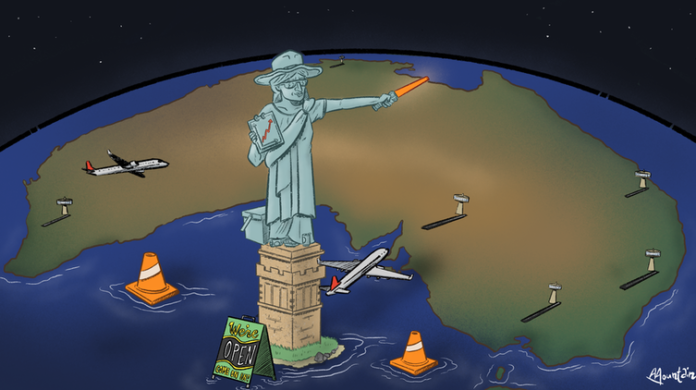
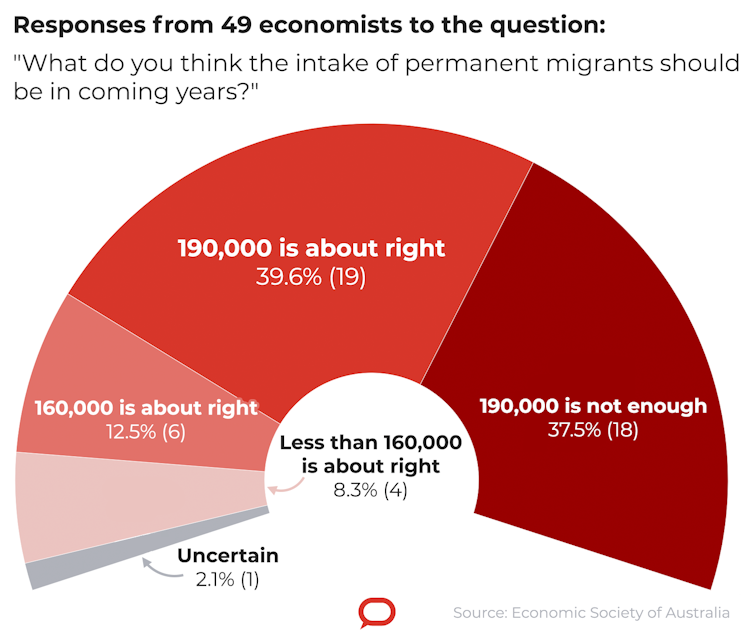
Australia’s leading economists have overwhelmingly endorsed a return to the highest immigration intake on record, saying Australia should aim for at least 190,000 migrants per year as it opens its borders, up from the target of 160,000 per year set ahead of COVID.

More than a third of those surveyed believe 190,000 isn’t enough, arguing that a “catch up” will show Australia is open to the world.

Economic Society of Australia/The Conversation, CC BY-ND

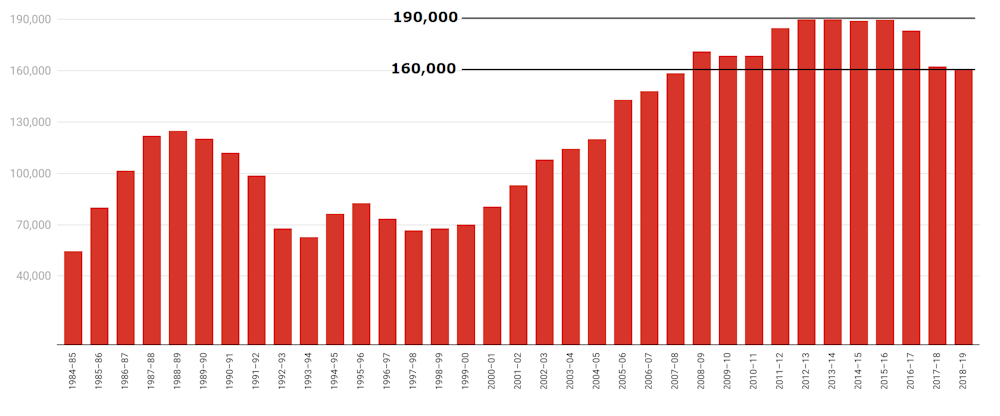
Prime Minister Scott Morrison cut Australia’s migration ceiling from 190,000 to 160,000 places per year in March 2019, in order to “tackle the impact of increasing population in congested cities”.

The 49 economists who took part in the Economics Society of Australia poll were selected by their peers for their expertise in macroeconomics, microeconomics and economic modelling. One is a member of the Reserve Bank board.

Ahead of COVID, Australia’s permanent intake has only been as high as 190,000 on five occasions, during the five years 190,000 was the official target.


Annual migrant intake in the years leading up to COVID

Parliamentary Library 2021

The government’s intergenerational report) released mid last year assumed a return to an intake of 190,000 per year in 2023-24.

Only four of the 49 economists surveyed by The Economic Society and The Conversation wanted less migration than Australia had going into COVID.

Their concerns were that growing population numbers put pressure on “fragile resources and infrastructure”. Slower population growth would “ease pressures on the environment, housing prices, infrastructure and emissions”.

Adelaide University labour market specialist Sue Richardson said there was no evidence high levels of migration raised GDP per person, as opposed to GDP.

Congestion and the environment matter

“In terms of living standards, it is the per capita measure that matters,” she said. “And it should be adjusted for increased traffic congestion, urban density and pressures on the health and other important social systems.”

The six economists who thought an annual intake of 160,000 was about right made the point that what mattered more was the composition of the intake. There should be less unskilled migration, more skilled migration and a “decent humanitarian program”.

The 19 economists who went for 190,000 argued less would show a “lack of ambition” for lifting economic growth.

Helen Silver, chief general manager at Allianz Australia and a former head of Victoria’s Department of Premier and Cabinet said a higher target would be both a “catch up” and would act to symbolise Australia was more open to the world.

Australia benefits from being open

Any target would need to be flexible and responsive to the capacity of Australia’s heath and other systems given the ongoing pandemic.

Melbourne University economist John Freebairn said a larger population would enable Australia to capture economies of scale and fill gaps in high skill and low skill jobs caused by labour market rigidities and failures in training systems.

It would increase the government’s tax take net of spending and help build a more dynamic and interesting society, as it had in the past.

The 18 economists (37.5% of the total) who said 190,000 was not enough argued that Australia’s status as a nation of immigrants gave it a formidable advantage.

190,000 could be considered a floor

UNSW economist Gigi Foster said in the wake of Australia’s responses to COVID its challenge was not so much what target to set, but rather how to convince immigrants to come here.

Melbourne University ‘s Chris Edmond said if Australia had the same per capita target as Canada it would have a permanent intake of 250,000 per year.

The University of Sydney’s James Morely said 190,000 was less than 1% of the population and was in any event not a target for net migration as that would be determined by the number of Australians who left and returned, and the number who came in temporarily under other schemes.

Given low birth rates and a need for a balanced age profile Australia should probably target permanent visas of 320,000 – 1.25% of the current population.

RMIT’s Leonora Risse said what mattered was that the migration intake was accompanied by policies designed to ensure migrants reached their potential.

When considering an upper limit on migration, we should keep in mind that 30% of all Australians were born overseas. For 20% of Australians, one or both parents were born overseas. Australia would not be what it was were it not for migration.

Notably absent from most of the 49 responses was discussion of the impact of migration on wages and the employment of locals.

The experts surveyed seemed to regard these impacts as not particularly big in either direction compared to the impacts of migration on dynamism, Australia’s place in the world, and its environment, infrastructure and social cohesion.


Detailed responses:

Peter Martin, Visiting Fellow, Crawford School of Public Policy, Australian National University

This article is republished from The Conversation under a Creative Commons license. Read the original article.



READ MORE


A myth that won’t die: stopping migration did not kickstart the economy

0
Australia, train, city, transport
Shutterstock

By Brendan Coates, Grattan Institute; Alex Ballantyne, Grattan Institute, and Will Mackey, Grattan Institute

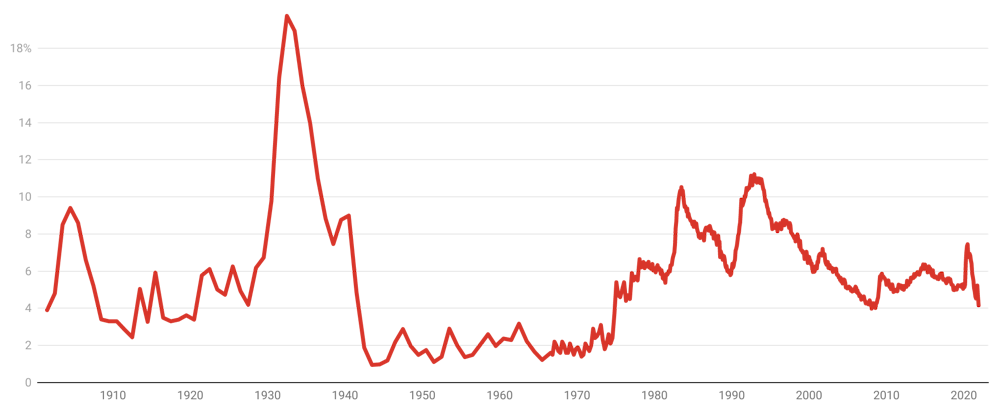
Australia’s unemployment rate – now at 4.2% – is at its lowest in more than a decade. It’s not too far off slipping below 4%, something that hasn’t happened for the best part of half a century.

This good news story has ignited fierce debate over who deserves the credit.

The prime minister and the Reserve Bank governor believe it is them. They delivered both the biggest government stimulus package in history and the lowest interest rates in history.


Australia’s unemployment rate, 1901 to February 2022

Monthly seasonally adjusted data from 1978, quarterly unadjusted data from 1966 to 1978, annual data (collected differently) prior to 1966. Sources: ABS Labour Force, ABS Labour Force Historical Timeseries, MW Butlin, A Preliminary Annual Database 1900/01 to 1973/74

But others disagree, most notably ACTU Secretary Sally McManus who tweeted last week that the reason unemployment rates were low was closed borders.

It had “nothing to do” with economic management.

So who’s right? No matter how we run the numbers we find it’s economic management. On balance, closed borders might have helped us, but because they prevented Australians from leaving, rather than others from arriving.

Arrivals boost demand as well as supply

New arrivals (often migrants) most certainly do add to the supply of labour. They compete with pre-existing Australians for jobs.

But that’s only half the story.

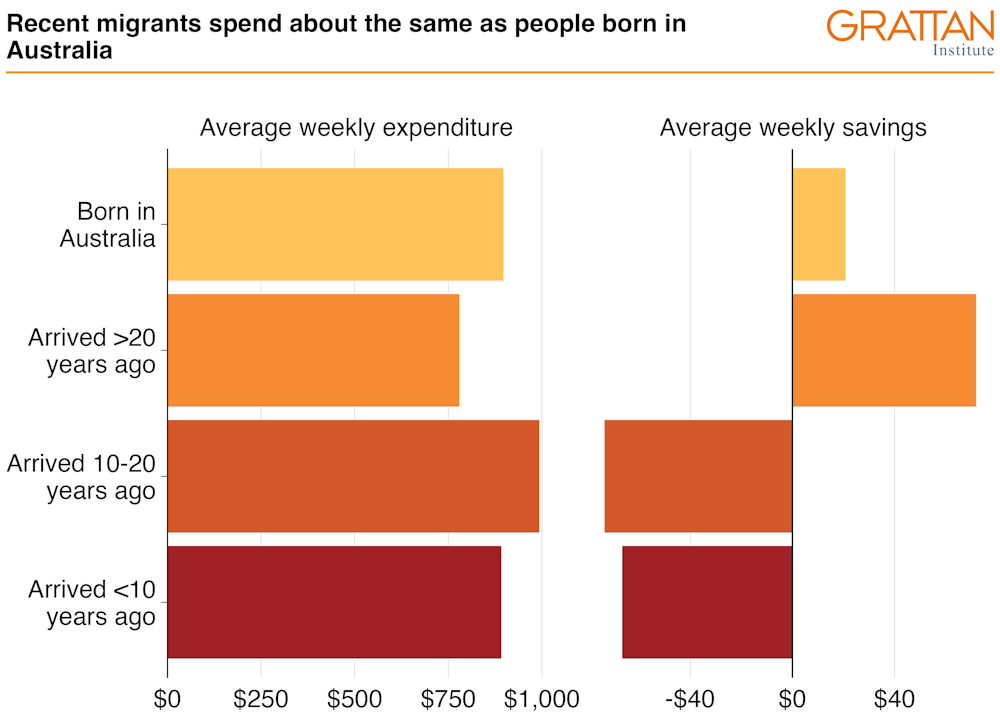
The other half is that new arrivals consume goods and services, for a while at a greater rate than Australians who have been here longer. They save less or run down savings in order to do it.

By buying more, they add to the demand for goods and services, and for workers to produce them.

If migrants enter Australia to work, but then spend more than they are paid, they might even create more jobs than they ‘take’.


Bar chart showing the expenditure of people born in Australia is similar to those who have arrived in recent decades. But a second panel shows recent arrivals dissave, spending more than they earn, whereas Australians save a bit.
Grattan Institute analysis of ABS household Expenditure Survey 2016

The net effects are small

Most recent research confirms that migrants both take and create jobs, finding little overall impact on the employment or wages of existing workers.

One study even found temporary skilled migrants boosted the wages of lower-skilled Australians by prompting them to move up into higher-paid jobs.

In an in-depth study conducted in 2016, the Productivity Commission concluded

there was almost no evidence that immigration is associated with worse (or better) labour market outcomes for Australian-born people

Of course, the pandemic is a unique event. Research only takes us so far.

But in Europe and the United States where borders remained open, unemployment also fell to near historic lows, suggesting it was something other than closed borders that did it.

But staff shortages are real

The number of migrants fell dramatically after COVID began. This reduced both the supply of and demand for labour, but the composition affected some industries more than others.

Before the pandemic, about one in six workers in hospitality were temporary migrants, many of them international students.

There are roughly half as many international students in Australia now as in 2019. Working holiday makers, who made up about 4% of the agriculture workforce, are almost entirely absent.

The staff shortages are real. Labour supply in those sectors has dramatically shrunk while demand for their services has continued. Eventually those employers will make other arrangements or the supply of backpackers and international students will resume.

Closed borders helped, by keeping Australians here

Oddly, there was an aspect of closed borders that boosted GDP.

As it happens, Australians spend more overseas each year than Australia makes from tourists coming here.

As economist Saul Eslake points out, banning our population from leaving has been a perverse windfall. Money that would have otherwise been spent overseas has been spent at home.

Bureau of Statistics figures suggest that closing the border might have contributed $28 billion to Australia’s trade balance compared to 2019.

It’s stimulus that mattered

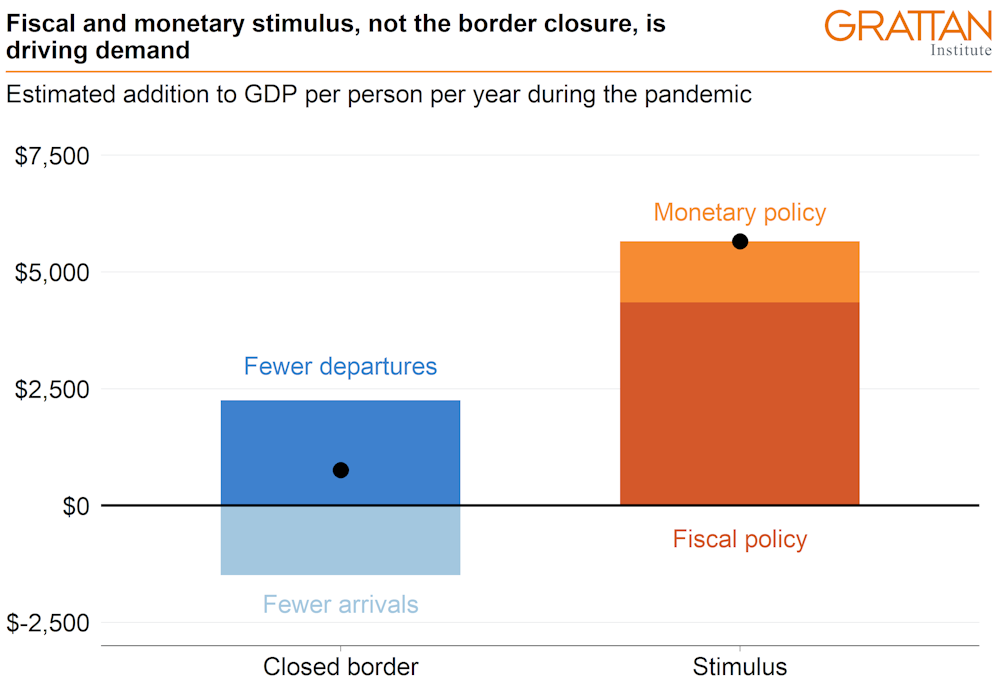
Putting the story together in the chart below, it’s clear that stimulus (both “fiscal” from the government, and “monetary” from the Reserve Bank) boosted the economy far more than did closed borders.

The dark-blue bar captures the decline in spending overseas on travel and education as fewer Australians travelled, while the light-blue bar captures both the decline in spending on Australian education and travel, and the effects of fewer working migrants, as fewer visitors arrived.

Both are swamped by stimulus, which is marked in dark and light orange.


Stacked column chart showing the change in GDP per person due to border closures and stimulus. The effect of fewer departures is mostly offset by fewer arrivals. Monetary and fiscal policy are large in comparison
Estimates are current Australian dollars per person per year and subject to revision. Grattan analysis of ABS 5302.0 and IMF and various RBA publications. Click on link for detailed notes

The Federal Government set aside $291 billion for stimulus payments. Including tax breaks and state government support, the International Monetary Fund comes up with a total of $362 billion.

While some JobKeeper ended up in the hands of shareholders, the scale of the stimulus cannot be denied. Assuming a relatively conservative fiscal multiplier of 60 cents for each dollar of fiscal support, these supports are set to boost Australian gross domestic product by $217 billion, or roughly $8,600 per person.

The Reserve Bank’s actions might have added $70 billion to GDP over two years. Without these supports the economy would have found itself in a huge hole during the pandemic.

Our low unemployment today is a testament to the success of economic policy.

Attributing it to closed borders runs the risk of leaving us with the wrong lesson the next time the economy turns down.

Brendan Coates, Program Director, Economic Policy, Grattan Institute; Alex Ballantyne, Senior Associate, Economic Policy, Grattan Institute, and Will Mackey, Senior Associate, Grattan Institute

This article is republished from The Conversation under a Creative Commons license. Read the original article.


READ MORE

COVID halved international student numbers in Australia. The risk now is we lose future skilled workers and citizens

Border opening spurs rebound in demand from international students

As one gets out, another gets in: thousands of international students are ‘hot-bedding’


Nursing home residents are paying $800 a week for services they are barely getting

0
Juniper Chrystal Halliday Residential Aged Care

By Anna Howe, Macquarie University

Nursing home residents confined to their rooms during COVID are like hypothetical tenants locked in their bedrooms by landlords – unable to take showers, able only to make only sandwiches for meals and cut off from visitors and socialising with fellow residents.

If it happened to tenants they would be entitled to stop paying rent, go to an appeals tribunal, or move out. But aged care residents have to keep paying.

The Commonwealth has instigated an investigation focusing on death among residents during COVID, but this narrow focus ignores the broader impacts of the pandemic on residents’ quality of life.

What do residents pay, and for what?

Residents in aged care homes pay what’s called a Basic Daily Fee. This is set at 85% of the single age pension to cover meals, laundry and other daily living services. It is currently $53.56 per day.

About half also pay for accommodation on a means tested basis, either as an upfront Refundable Accommodation Deposit (RAD) or a rent-like Daily Accommodation Payment (DAP).

The RAD is fully refundable 14 days after the resident leaves. The home lives off the interest. The average RAD is less than A$500,000. Some exceed $1 million.

Both the RAD and DAP are set by the provider, within Commonwealth guidelines.

Those entering residential care have increasingly opted to pay via the rent-style DAP rather than RAD.

This change appears to reflect increased awareness on the part of incoming residents and their families and advisers that the financial commitment of a RAD may not be the best option if the stay turns out to be shorter rather than longer.

The average length of stay is skewed by some very long stays. While the average stay is almost three years, the median (typical) stay is half as long. About 30% of residents leave within six months, mainly through death.

The Commonwealth pays an accommodation supplement to fully or partly cover the cost of providing accommodation to those who can’t afford either the full RAD or DAP.

Currently $59.49 per day, the supplement is a proxy for the average DAP.

All up $791.35 a week, but it’s hard to move

A resident paying the Basic Daily Fee and a Daily Accommodation Charge equal to the supplement pays $791.35 per week.

But for many residents confined to their rooms, the $374.92 per week Basic Daily Fee is for services no longer fully delivered.

For these residents a good deal of the Refundable Accommodation Deposit or Daily Accommodation Payments is for accommodation that cannot be fully used.

There’s an Aged Care Quality and Safety Commission they could complain to. But as each resident has an individual agreement with the provider, it would have to be done one-on-one, rather than collectively.

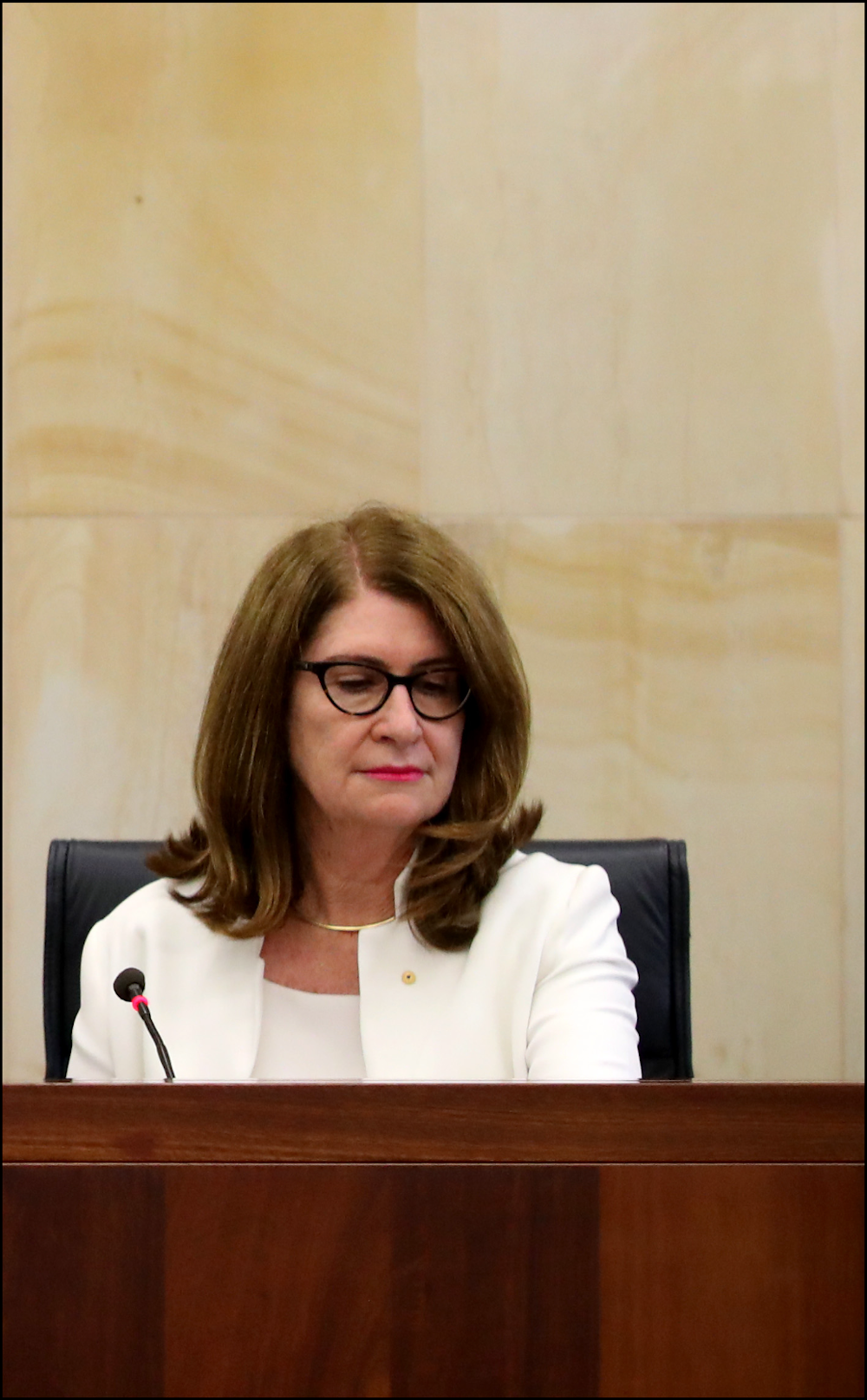
Aged care royal commissioner Lynelle Briggs. Kelly Barnes/AAP

The ability to move has been limited at the best of times. Aside from the emotional upheaval involved, finding a vacancy, making financial arrangements and getting a refund of a RAD takes time.

The Commonwealth, providers and even the Council on the Ageing describe what we’ve got as a “consumer driven, market-based aged care system” yet consumers aren’t able to drive.

They lack bargaining power and individual complaints to the Aged Care Quality and Safety Commission are few and far between. No advocates have so far talked of a class action.

A start would be to phase out Refundable Accommodation Deposits as recommended by aged care royal commissioner Lynelle Briggs in March 2021.

This would mean residents hadn’t effectively pre-paid their rent as a lump sum.

In the short term, immediate action is needed to ensure no resident pays on-going fees for daily services they are not receiving or for accommodation they can only occupy and use in very restricted ways.

But requiring providers to repay and then forgo even part of these payments might hurt their liquidity, jeopardising their ability to continue to provide care.

Instead, the Commonwealth needs to urgently come up with compensation arrangements and ensure charges are applied only to services that are delivered.

Anna Howe, Honorary Professor, Department of Sociology, Macquarie University, Macquarie University

This article is republished from The Conversation under a Creative Commons license. Read the original article.


READ MORE